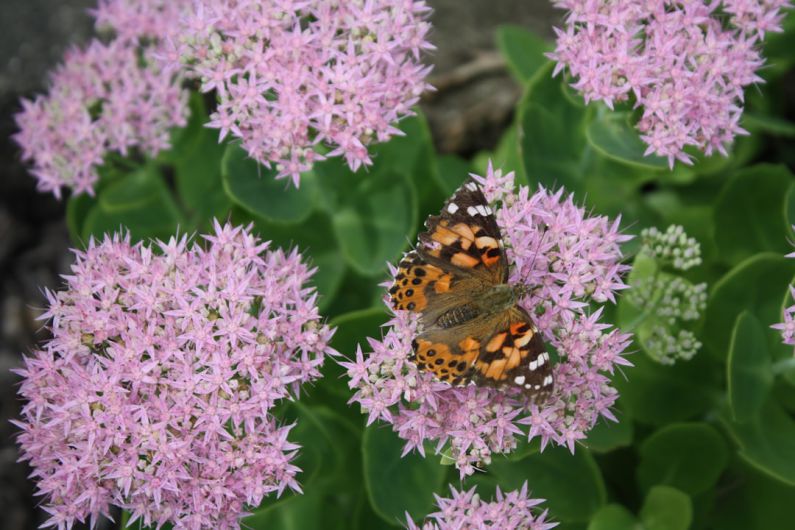
In today’s world, with increasing concerns about the declining bee and butterfly populations, creating pollinator-friendly gardens has become more important than ever. Bees and butterflies play a crucial role in pollination, which is essential for the reproduction of many plants, including food crops. By making a few simple changes to your garden, you can attract these beneficial insects and help support their populations.
Creating a Pollinator-Friendly Garden
To create a pollinator-friendly garden, you’ll want to focus on providing food, water, shelter, and a safe environment for bees and butterflies. Here are some key strategies to consider:
Plant a Variety of Flowers
One of the best ways to attract bees and butterflies to your garden is by planting a diverse selection of flowers. Bees are particularly attracted to brightly colored flowers that are rich in nectar and pollen, while butterflies are drawn to flowers with flat surfaces that make it easy for them to access nectar. Consider planting a mix of annuals and perennials to provide a continuous source of food throughout the growing season.
Choose Native Plants
Native plants are well-adapted to the local climate and soil conditions, making them an excellent choice for attracting native pollinators. Native plants also provide food and shelter for a wide range of wildlife, creating a balanced ecosystem in your garden. Research which native plant species are best suited to your region and incorporate them into your garden design.
Create Habitat for Pollinators
In addition to planting flowers, you can create habitat for pollinators by incorporating features such as bee hotels, butterfly houses, and water sources into your garden. Bee hotels provide nesting sites for solitary bees, while butterfly houses offer shelter for butterflies during inclement weather. A shallow dish filled with water and rocks can provide a place for butterflies to drink and bees to collect water.
Avoid Pesticides
Pesticides can be harmful to bees and butterflies, so it’s important to avoid using them in your garden. Instead, focus on natural pest control methods such as companion planting, handpicking pests, and encouraging natural predators like ladybugs and lacewings. By creating a healthy ecosystem in your garden, you can help keep pest populations in check without resorting to chemical pesticides.
Maintain a Diverse Garden
A diverse garden not only supports a wide range of pollinators but also helps to promote overall garden health. By incorporating a variety of plants with different blooming times, you can ensure a continuous source of food for bees and butterflies throughout the year. Additionally, diverse plantings can help attract a greater diversity of pollinators, leading to a more resilient ecosystem.
Supporting Pollinators for a Sustainable Future
By creating a pollinator-friendly garden, you can play a vital role in supporting bee and butterfly populations and promoting biodiversity in your local environment. Small changes in your gardening practices can have a big impact on the health and well-being of these essential pollinators. Whether you have a small balcony garden or a sprawling backyard, there are many ways to attract bees and butterflies and create a welcoming habitat for these important insects. With a little effort and creativity, you can transform your outdoor space into a thriving pollinator paradise.