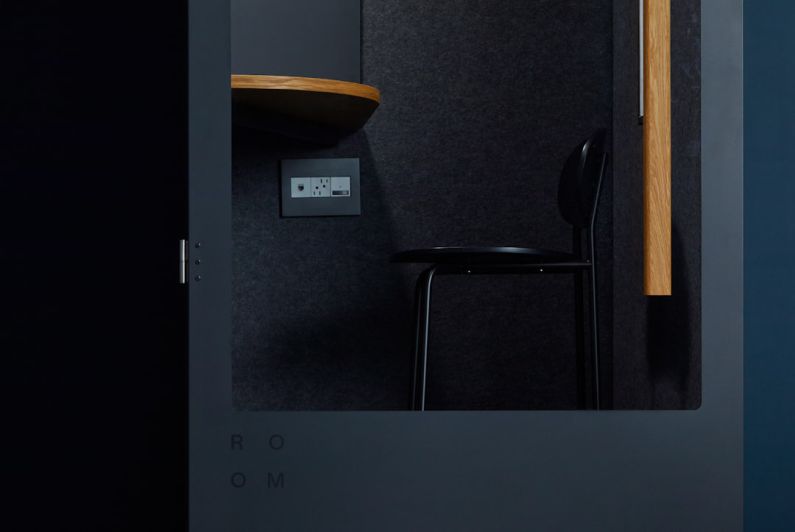
Creating a peaceful and quiet home environment is essential for relaxation and focus. However, unwanted noise can disrupt this tranquility. Whether it’s noisy neighbors, street traffic, or internal sounds like appliances, soundproofing your home can make a significant difference. Here are some effective soundproofing tips to help you achieve a quieter living space.
Assess Your Space
Before diving into soundproofing solutions, it’s crucial to assess your space to identify the primary sources of noise. Walk around your home and pay attention to areas where sound easily penetrates. Common culprits include windows, doors, walls, and floors. By pinpointing these areas, you can develop a targeted soundproofing plan to address the specific sources of noise in your home.
Seal Gaps and Cracks
One of the simplest and most cost-effective ways to soundproof your home is by sealing gaps and cracks. Sound can easily travel through these openings, allowing noise to enter or escape your living space. Use caulk to seal gaps around windows and doors, and install weatherstripping to create a tight seal. Additionally, consider adding door sweeps to the bottom of doors to prevent sound from seeping through the gaps.
Invest in Soundproof Curtains
Soundproof curtains are an excellent solution for reducing external noise, especially if you live in a busy urban area. These heavy-duty curtains are designed to block sound waves and can significantly improve the acoustics in your home. Hang soundproof curtains over windows to minimize noise from outside sources and create a more peaceful environment indoors.
Upgrade Your Doors
Doors are a common weak point in many homes when it comes to soundproofing. Hollow-core doors, in particular, do little to block out noise. Consider upgrading to solid-core doors, which are heavier and provide better sound insulation. If replacing your doors is not an option, adding a door sweep and weatherstripping can help improve their soundproofing capabilities.
Add Area Rugs and Carpeting
Hard surfaces like hardwood floors and tile can amplify sound, leading to echoes and reverberations in your home. To reduce noise levels, consider adding area rugs or wall-to-wall carpeting. These soft materials absorb sound waves, minimizing noise and creating a quieter environment. Place rugs strategically in high-traffic areas or rooms with hard flooring to improve sound insulation.
Install Acoustic Panels
Acoustic panels are designed to absorb and diffuse sound waves, making them an effective soundproofing solution for homes. These panels are available in various sizes and styles, allowing you to customize your space while reducing noise levels. Install acoustic panels on walls or ceilings in rooms where soundproofing is needed, such as home offices, bedrooms, or entertainment spaces.
Consider Soundproofing Paint
Soundproofing paint is a unique product that contains sound-dampening properties to reduce noise transmission through walls. While it may not completely eliminate all sounds, soundproofing paint can help minimize the impact of noise in your home. Apply multiple coats of soundproofing paint to walls to enhance its effectiveness and create a quieter living environment.
Utilize Bookshelves and Upholstered Furniture
Bookshelves and upholstered furniture can serve as sound-absorbing elements in your home. Arrange bookshelves along walls to create a barrier that helps block and absorb sound waves. Similarly, upholstered furniture like sofas, chairs, and cushions can reduce noise by dampening vibrations and echoes. Incorporate these items strategically in your space to enhance soundproofing and improve acoustics.
Create a Peaceful Oasis
By implementing these soundproofing tips, you can transform your home into a peaceful oasis free from unwanted noise. From sealing gaps and cracks to adding soundproof curtains and acoustic panels, there are various solutions available to help you achieve a quieter living environment. Evaluate your space, identify the primary sources of noise, and tailor your soundproofing efforts to create a serene and tranquil home that promotes relaxation and well-being.