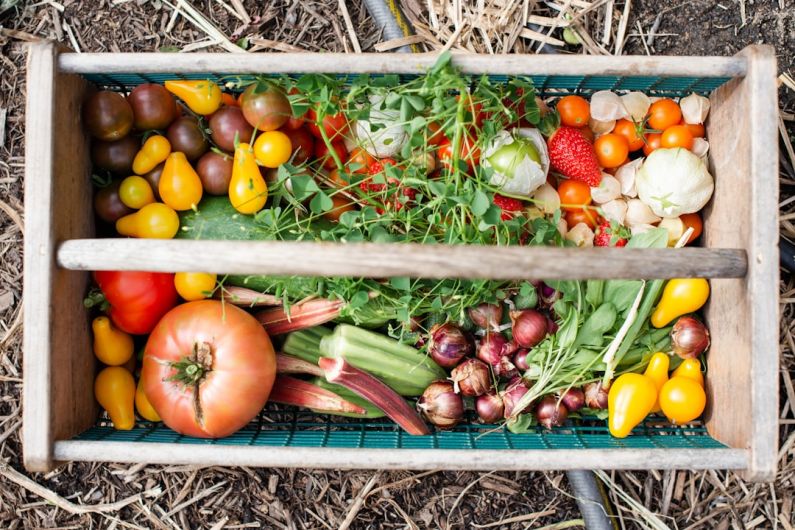
Picture this: stepping outside your back door to pluck fresh, vibrant vegetables straight from your own garden. The idea of cultivating your own edible garden not only offers a sense of accomplishment but also provides an array of benefits that extend beyond just the satisfaction of growing your own food. In this article, we will delve into the world of edible gardens, exploring the reasons why you should consider growing your own vegetables and offering practical tips to help you get started on your own green journey.
Why Should You Grow Your Own Vegetables?
In a world where the origin of our food is often a mystery, cultivating your own vegetables allows you to have full control over how your produce is grown. By growing your own vegetables, you can ensure that no harmful chemicals or pesticides are used in the process, leading to healthier and more nutritious food for you and your family. Moreover, homegrown vegetables are fresher and more flavorful than store-bought counterparts, as they are picked at the peak of ripeness and consumed shortly after harvesting, preserving their taste and nutritional value.
The act of tending to an edible garden also offers a range of physical and mental health benefits. Spending time outdoors, engaging in physical activity, and connecting with nature have been shown to reduce stress levels, improve mood, and boost overall well-being. Additionally, gardening provides a sense of accomplishment and satisfaction as you watch your plants grow and flourish under your care, fostering a deeper appreciation for the natural world and the food that sustains us.
How to Start Your Own Edible Garden
Creating your own edible garden is a rewarding and relatively simple process that can be tailored to suit your available space, time, and preferences. Whether you have a sprawling backyard or a small balcony, there are options to fit every lifestyle. Here are some key steps to help you get started on your vegetable-growing journey:
Selecting a Location: Choose a sunny spot in your garden or balcony that receives at least 6-8 hours of sunlight per day, as most vegetables thrive in direct sunlight. Ensure that the location is easily accessible for watering and maintenance.
Preparing the Soil: Invest in high-quality soil or compost to provide your vegetables with essential nutrients for healthy growth. Consider conducting a soil test to determine the pH levels and nutrient content of your soil, and amend it accordingly to create an optimal growing environment for your plants.
Choosing Your Vegetables: Select vegetables that are well-suited to your climate and growing conditions. Consider factors such as the length of your growing season, average temperatures, and available space when choosing which vegetables to cultivate. Popular options for beginners include tomatoes, peppers, lettuce, carrots, and herbs.
Planting and Caring for Your Vegetables: Follow the planting instructions provided on seed packets or plant labels, ensuring that you provide adequate spacing between plants to allow for proper growth. Water your plants regularly, keeping the soil moist but not waterlogged, and fertilize as needed to promote healthy growth and bountiful harvests.
Harvesting and Enjoying Your Produce
As your vegetables begin to mature, monitor them closely for signs of readiness for harvest. Different vegetables have varying indicators of ripeness, such as color, size, and texture, so familiarize yourself with the specific characteristics of each vegetable you are growing. When harvesting your produce, use sharp scissors or pruners to avoid damaging the plant, and enjoy the fruits of your labor in fresh salads, stir-fries, or simply on their own.
Transforming Your Homegrown Vegetables
Incorporating your homegrown vegetables into your meals not only enhances the flavor and nutritional value of your dishes but also allows you to explore new culinary possibilities. Experiment with different cooking techniques, flavor combinations, and recipes to make the most of your harvest. From roasted vegetables to homemade salsas and pickles, the possibilities are endless when it comes to incorporating your homegrown produce into delicious and nutritious meals.
Savoring the Fruits of Your Labor
As you embark on your edible gardening journey, savor each moment spent nurturing your plants, observing their growth, and harvesting the fruits of your labor. Cultivating your own vegetables not only provides you with a sustainable source of fresh, flavorful produce but also offers a sense of connection to the natural world and the food that sustains us. By growing your own vegetables, you can reap a host of benefits for your health, well-being, and environment, all while enjoying the simple pleasure of picking your own vegetables from your garden. So, roll up your sleeves, grab your gardening tools, and start growing your own vegetables today!